
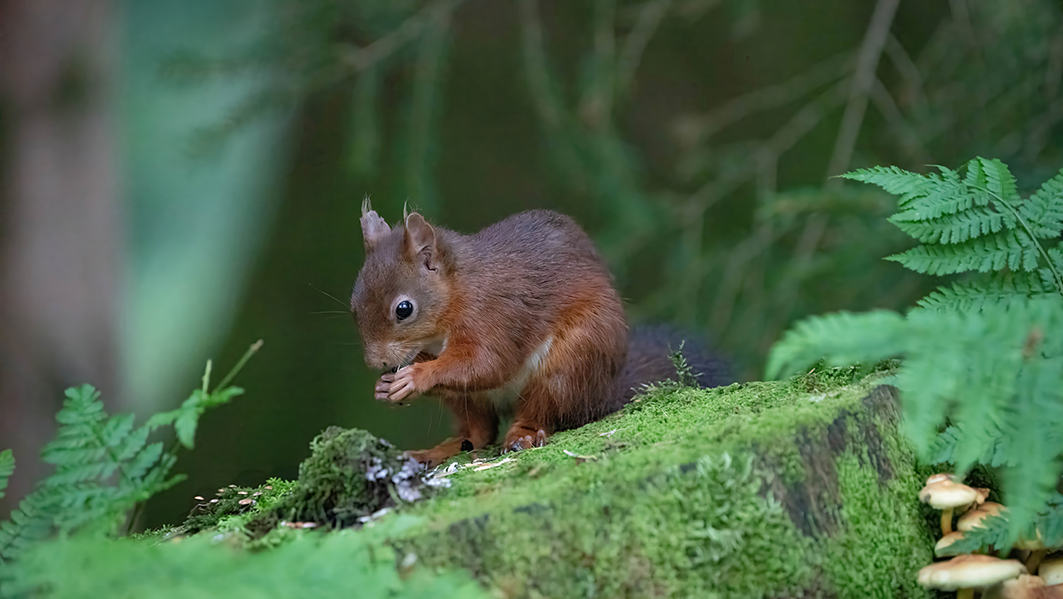
Red squirrels are among Britain’s most cherished wildlife subjects, but photographing them well requires patience, preparation, and the right locations. Their diminishing range across the UK makes them a special sighting for any photographer. Whether you are new to wildlife photography or a seasoned enthusiast, understanding where to find reliable subjects and how to approach the technical challenges will improve your chances of a successful shoot. This article covers the best hide-based locations, recommended equipment, and fieldcraft techniques drawn from experienced operators.
Best Locations for Photographing Red Squirrels
The UK offers several dedicated hide locations where red squirrels are regularly enticed with feed. These purpose-built sites give photographers safe, controlled environments to work from, increasing the likelihood of quality images.
Yorkshire Dales
The Yorkshire Dales near Hawes are home to two purpose-built hides operated by Paul Fowlie. The first is a woodland hide that features four windows – three facing front and one side entrance – with perches and hidden feeding tubs. This set-up allows photographers to capture squirrels in a natural woodland setting without visible human interference. The second hide is a reflection pool hide, claimed to be the only place in Great Britain where mirror-like images of red squirrels can be obtained. Still water pools offer the chance for symmetrical reflections, adding a creative element to your portfolio. A jumping platform at the site allows you to photograph red squirrels leaping six feet between posts for hazelnuts, giving dynamic action shots. Dry-stone walls covered in moss provide a natural backdrop for portraits against a dark green background. This variety of backdrops within one location makes the Yorkshire Dales a prime destination. Other wildlife you might encounter from these hides includes great spotted woodpeckers, pheasants, and various woodland birds, offering additional subjects between squirrel visits. Paul Fowlie notes that although there has never been a no-show of squirrels at his workshops, there is no guarantee of sightings.
Lake District
The Lake District also offers opportunities for red squirrel photography, but it presents distinct challenges. The woodlands here tend to be dark, requiring photographers to work at higher ISO settings to achieve usable shutter speeds. This can introduce noise if your camera body is not well suited to low light conditions. The trade-off is the chance to photograph red squirrels in a wilder, more natural landscape without the controlled backdrops of a purpose-built hide. If you are prepared to manage higher ISOs and lower light, the Lake District can reward you with images that feel less staged. However, for reliability of sightings and variety of settings, the Yorkshire Dales locations are generally considered more abundant.
Other Dedicated Hide Options
Neil McIntyre offers red squirrel photography hide sessions costing £80 per person for a morning session. A separate red squirrel photography hide in North Yorkshire recommends lens coverage of 100–400mm and is rated as suitable for skill level 3 out of 4, implying that some experience with wildlife photography is beneficial. For those wanting a more comprehensive experience, Wildlife Worldwide runs a 3-day red squirrel photography workshop in the Yorkshire Dales from £1,195 per person, with a single supplement of £195. Group sizes are kept small at 3–4 participants, ensuring plenty of space at the hides. Prices for Paul Fowlie’s hide hire are not publicly specified in the available information, so it is best to contact him directly for current rates.
Essential Techniques for Photographing Red Squirrels
Having the right location is only half the battle. Success also depends on your equipment choices and fieldcraft.
Lens Selection
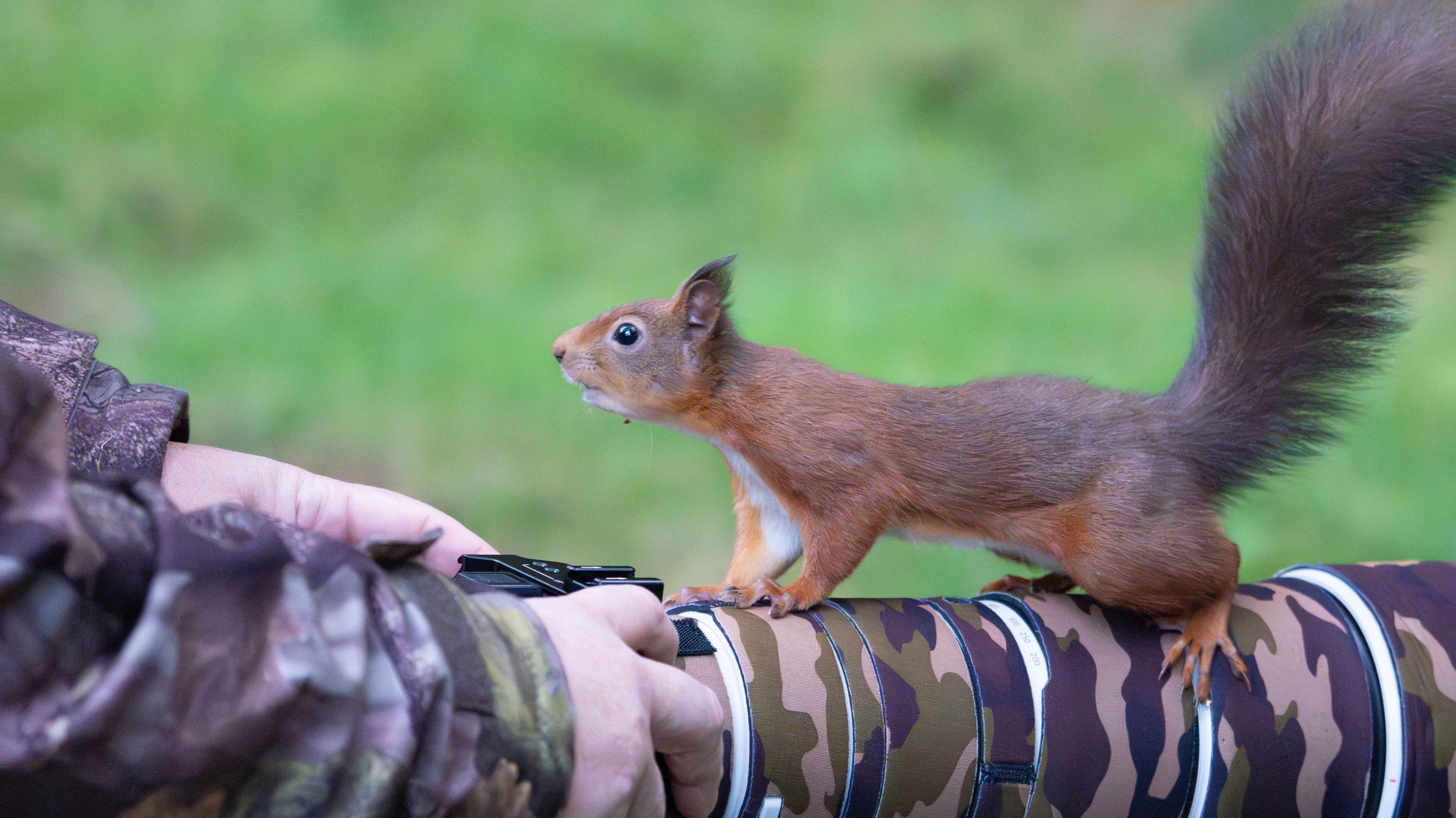
Recommended lenses for photographing red squirrels include a 70–200mm f2.8 and a 400mm f5.6. A zoom at the shorter end gives flexibility for closer encounters or environmental portraits, while the 400mm prime allows you to fill the frame from a respectful distance. A 100–400mm zoom is also a popular choice for wildlife, giving useful reach with some compositional flexibility. The f2.8 aperture helps in lower light conditions, but the 400mm f5.6 is a lightweight telephoto that many wildlife photographers keep in their kit bag. Choose the lens that matches the conditions and your style; a fast aperture is helpful in darker woodland settings.
Camera Settings and Low Light Handling
Woodland environments, particularly in the Lake District, can be dark. Be prepared to raise your ISO higher than you might for birds in open fields. Modern cameras handle high ISO well, but if you are using an older body, noise reduction in post‑processing may be necessary. In purpose-built hides with controlled light, you can often use lower ISO settings if windows are positioned to catch natural light. Test your shutter speed against the squirrel’s movements – a seated or feeding squirrel might be fine at 1/250s, but the jumping platform requires much faster speeds, possibly 1/1000s or above. Adjust your aperture and ISO accordingly.
Baiting and Attraction
Baiting red squirrels with hazelnuts is a common technique used at most commercial hides to attract them to feeding sites. Experienced operators place hidden feeding tubs filled with hazelnuts so that the food source is not visible in frame. The squirrels learn the locations and visit regularly. If you are setting up your own feeding site, follow ethical guidelines: maintain a clean feeding area, use appropriate nuts (unsalted hazelnuts are preferred), and do not create dependency outside of your photography sessions. Nature TTL provides detailed ethical guidance on baiting and feeding site maintenance.
Patience and Preparation
Photographing red squirrels requires patience. Even at reliable hides, there is no guarantee of a sighting, and you should expect quiet periods. Use these waits to review your settings, check focus, and watch for other wildlife such as great spotted woodpeckers or pheasants that may appear. Arrive early to settle into your hide before the squirrels become active. Dress quietly and avoid sudden movements that might spook animals near the hide entrance.
Seasonal Considerations
Autumn is often considered the best season for outdoor photography due to the quality of light and rich colours. The lower sun angle produces warm tones and long shadows that flatter red squirrel fur, and the autumn foliage adds depth and context to images. Spring and summer bring denser leaf cover that can create darker conditions but also offers lush green backgrounds. Winter provides bare branches and the chance for snow-covered scenes if conditions allow. Many hide operators run sessions year-round, so check ahead for seasonal availability.
What to Expect at a Photography Hide
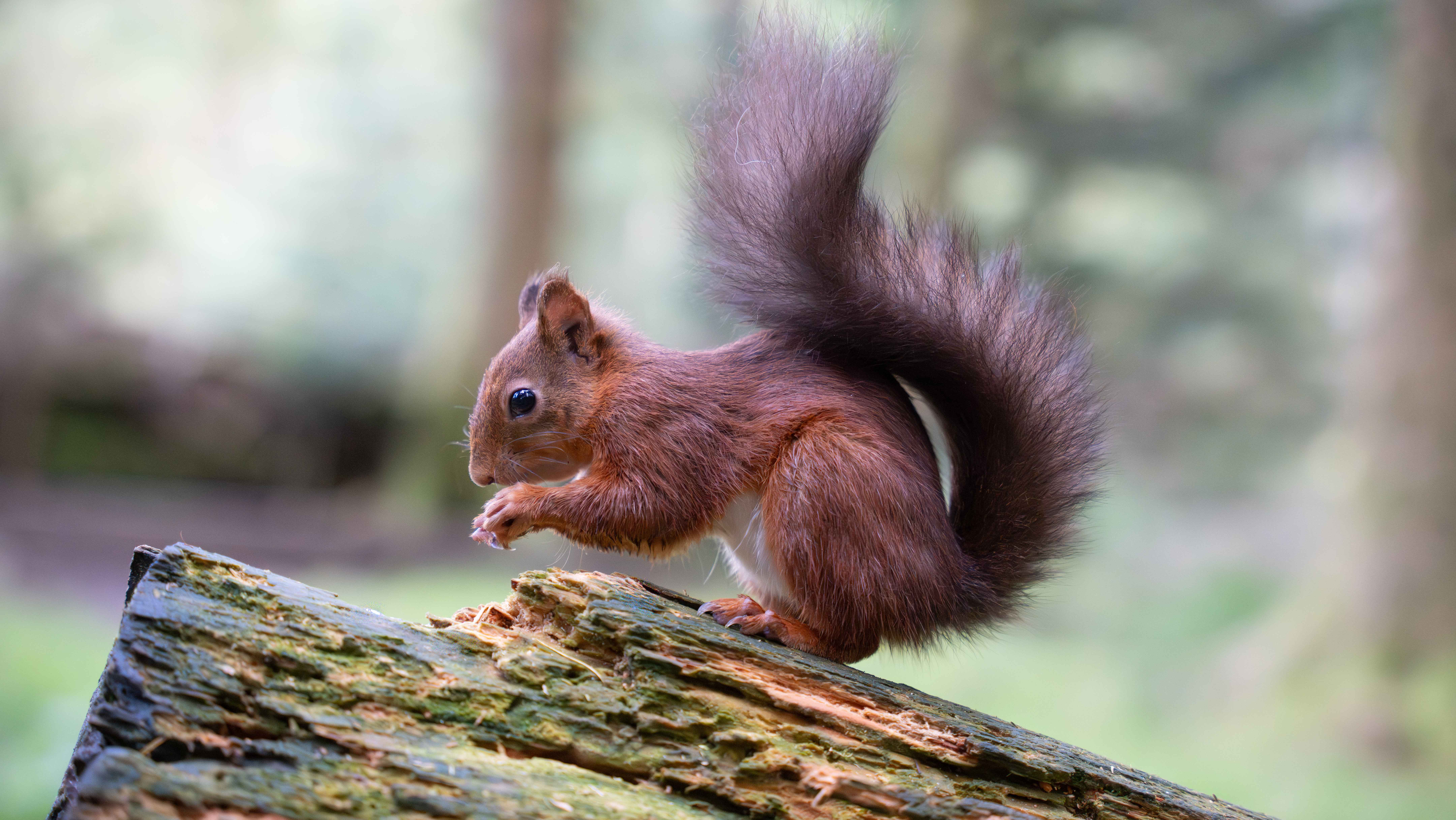
A typical morning or afternoon session at a commercial hide offers a comfortable shooting position with windows or hatches at a good height for cameras on tripods. You will usually have a seat, some shelter from the elements, and clear lines of sight to perches, feeding tubs, or pools. The woodland hide from Paul Fowlie has four windows with perches and hidden feeding tubs. The reflection pool hide requires a slightly different approach, as you will be framing the reflection along with the squirrel itself. The jumping platform demands fast shutter speeds and good anticipation of the squirrel’s movement. Dry-stone walls covered in moss provide an alternative background that produces portraits with a dark green backdrop, giving a clean separation between subject and background. The hide operators often supply hazelnuts and maintain the feeding system, so you can concentrate on photography. Prepare for the weather – hides can be chilly or damp – and bring snacks and water.
Frequently Asked Questions
What lens is best for red squirrel photography?
A 70–200mm f2.8 or a 400mm f5.6 are both recommended lenses. A 100–400mm zoom also works well, offering flexibility for both close portraits and reach when the squirrel is further away. The best choice depends on the hide set-up and how much working distance you have.
How much does a red squirrel photography hide cost?
Prices vary. Neil McIntyre charges £80 per person for a morning session. Wildlife Worldwide offers a 3-day workshop from £1,195 per person. Paul Fowlie’s rates are not publicly specified, so contact him directly. Be sure to check what is included, such as bait and guide support.
Is there a guarantee of seeing red squirrels at a hide?
No operator can guarantee sightings. Paul Fowlie notes that there has never been a no-show of squirrels at his workshops, but he emphasises there is no guarantee. Wildlife behaviour is unpredictable, so patience is always required.
Do I need experience to photograph red squirrels from a hide?
Some hides are suitable for skill level 3 out of 4, meaning a basic understanding of camera settings and wildlife etiquette is helpful. Beginners can still attend, but you will get more value if you are comfortable with your camera’s manual controls before you arrive.
What is the best time of year to photograph red squirrels?
Autumn is often considered the best season due to warm light and colourful foliage. Spring and summer offer lush green backdrops, while winter provides bare branches and possible snow scenes. Hide operators run sessions throughout the year, so choose a season that suits the look you want.
Ultimately, photographing red squirrels is a rewarding pursuit that combines location knowledge, technical skill, and patience. By choosing a well-regarded hide in the Yorkshire Dales or Lake District, using a lens in the 70–400mm range, and preparing for variable light, you can increase your chances of capturing memorable images of one of Britain’s most endearing mammals.