The story behind The Hidden Amazon – Wildlife of Peru
From Lima to the Amazon
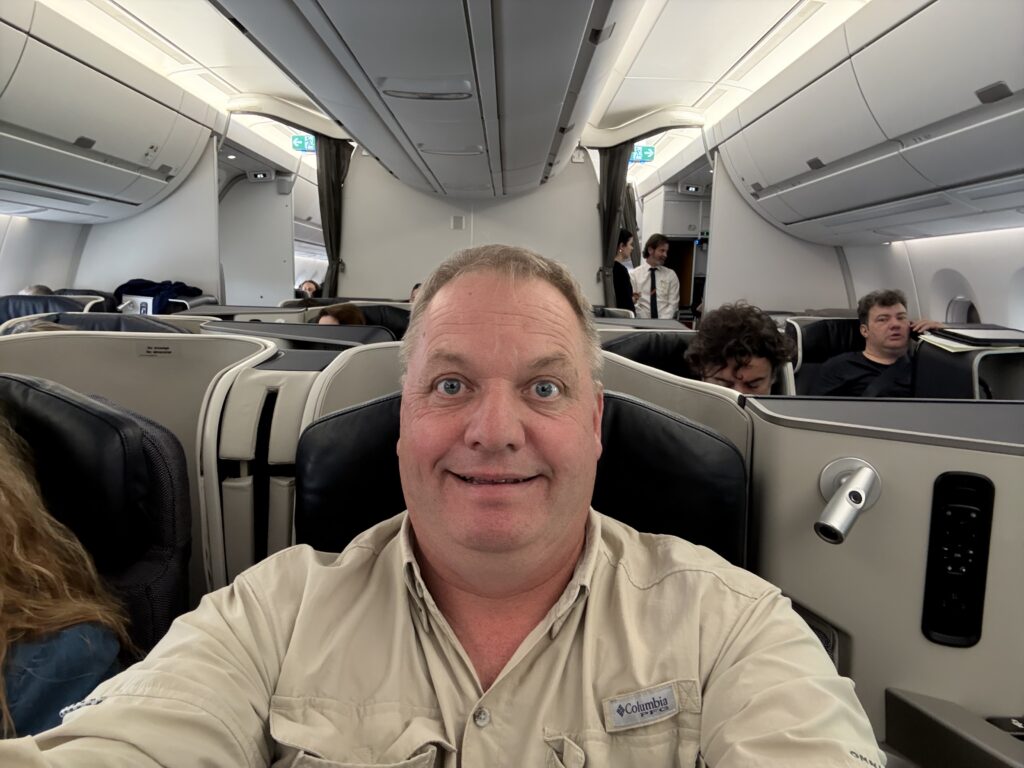
The journey started in Lima.
At that point, the calendar was still just an idea. I had my camera equipment with me, plenty of memory cards, batteries and lenses, but absolutely no guarantee of what I would find.
Wildlife photography is like that.
You can research a destination, study the species you hope to see and imagine the photographs you want to bring home. But the wildlife hasn’t read your itinerary.
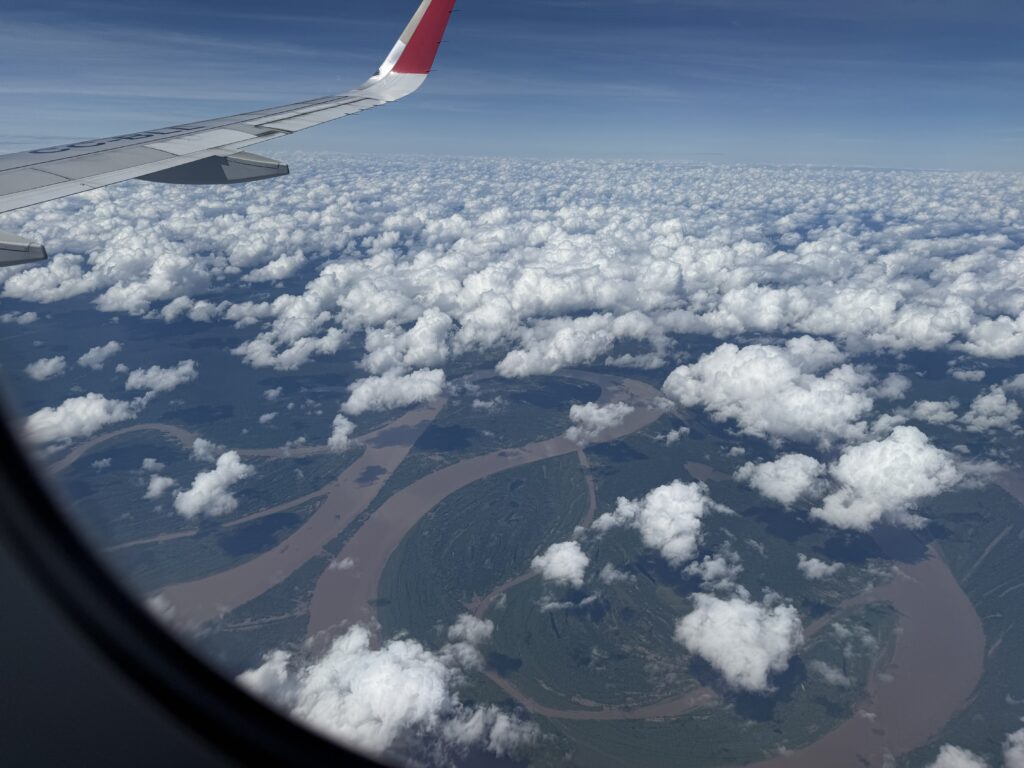
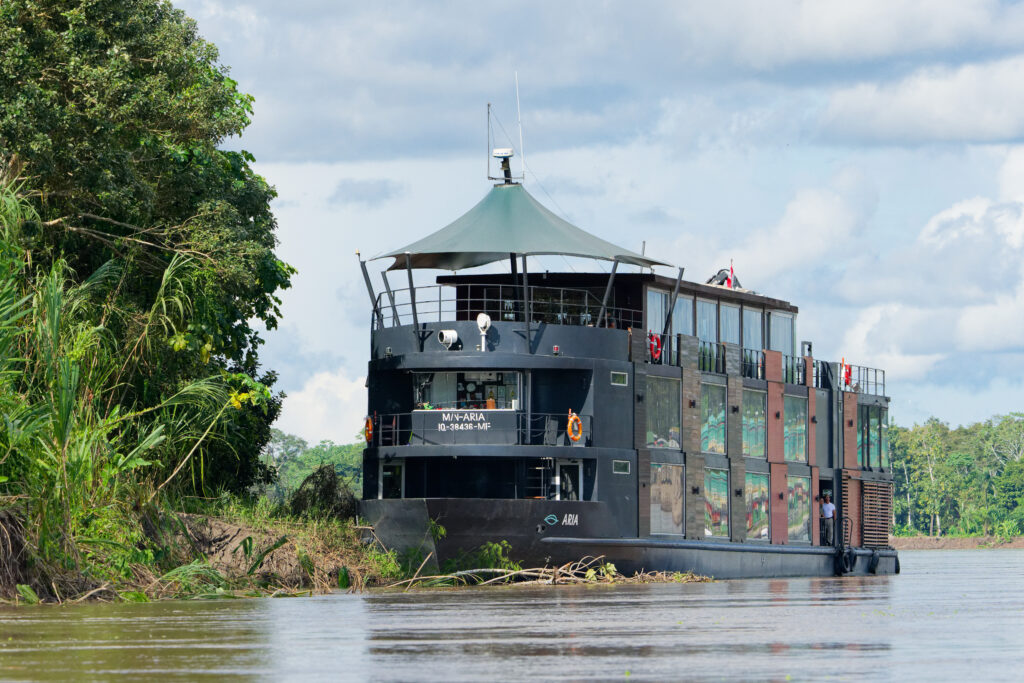
The following day we explored Lima before the journey took a dramatic turn towards the Amazon. On Day 3 we flew to Iquitos where we boarded the Aria Amazon.
Suddenly the environment changed completely.
The city disappeared and was replaced by water, forest and an extraordinary sense of space.
This was the landscape I had come to photograph and the luxury of the Aria Amazon become my new home for the next 7 nights.
Learning to Photograph the Rainforest
One of the biggest challenges of Amazon wildlife photography is that the rainforest doesn’t make it easy.
There is an incredible amount of life around you, but very little of it is presented neatly in front of your camera.
A flash of colour might be a bird disappearing behind a branch. Something moving in the vegetation might be a monkey, a lizard or simply a leaf moving in the breeze. A shape on a branch can take several seconds to resolve itself into an animal.
And then there is the light.
One minute the river can be brilliantly bright. The next, the boat turns towards a wall of forest and you’re photographing in deep shade.
For a photographer, it means being ready all the time.
Camera in hand.
Lens chosen.
Settings constantly changing.
And patience.
Lots of patience.
Into the Ucayali
The first full day in the Amazon took us along the Ucayali River, with excursions around Clavero Lake and the Yarapa River. There were opportunities to look for birds and other wildlife during the day, followed by an evening search for nocturnal creatures.
This was when I really began to understand what The Hidden Amazon was going to be about.
It wasn’t going to be a collection of animals simply sitting in perfect light.
It was going to be about finding them.
Sometimes that meant scanning the riverbank from a moving skiff.
Sometimes it meant waiting quietly.
Sometimes it meant photographing a tiny detail that could easily have been missed.
And sometimes it meant being completely ready when something suddenly appeared.
Those moments are the reason I love wildlife photography.
You never quite know what is going to happen next.
The River Becomes the Road
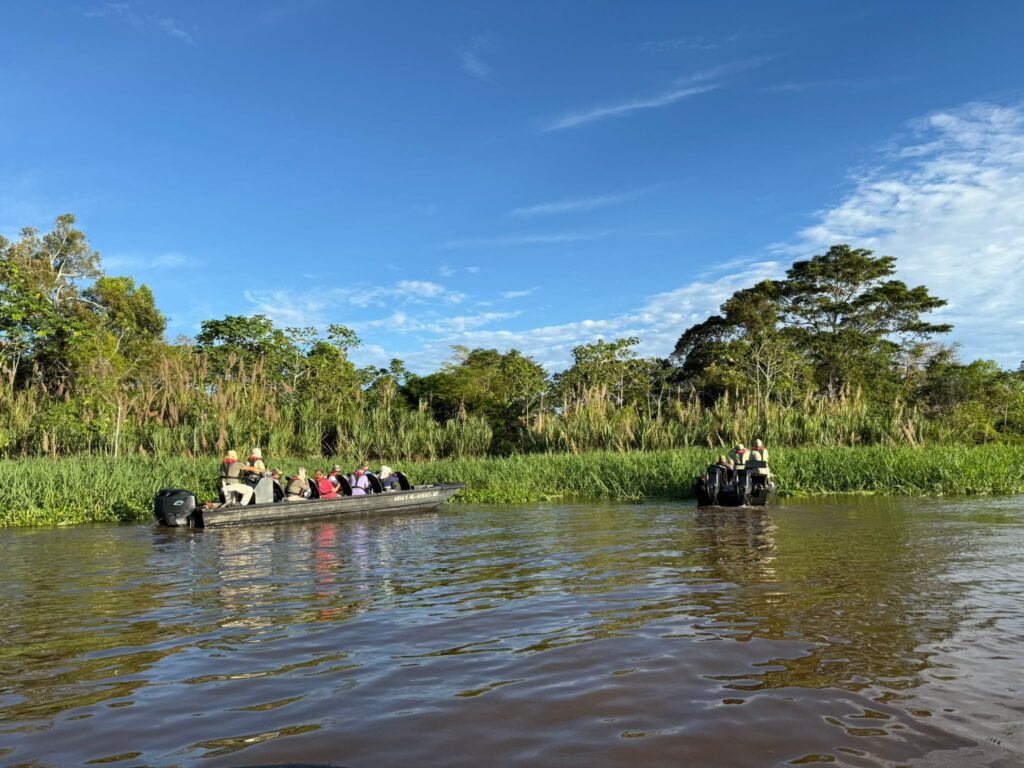
Over the following days we travelled through an extraordinary network of rivers and tributaries, including the Amazon, Tahuayo, Marañón, Yanayacu-Pucate and Samiria. We also explored parts of the Pacaya-Samiria National Reserve.
The Aria Amazon became our floating base, but much of the photography happened away from the ship.
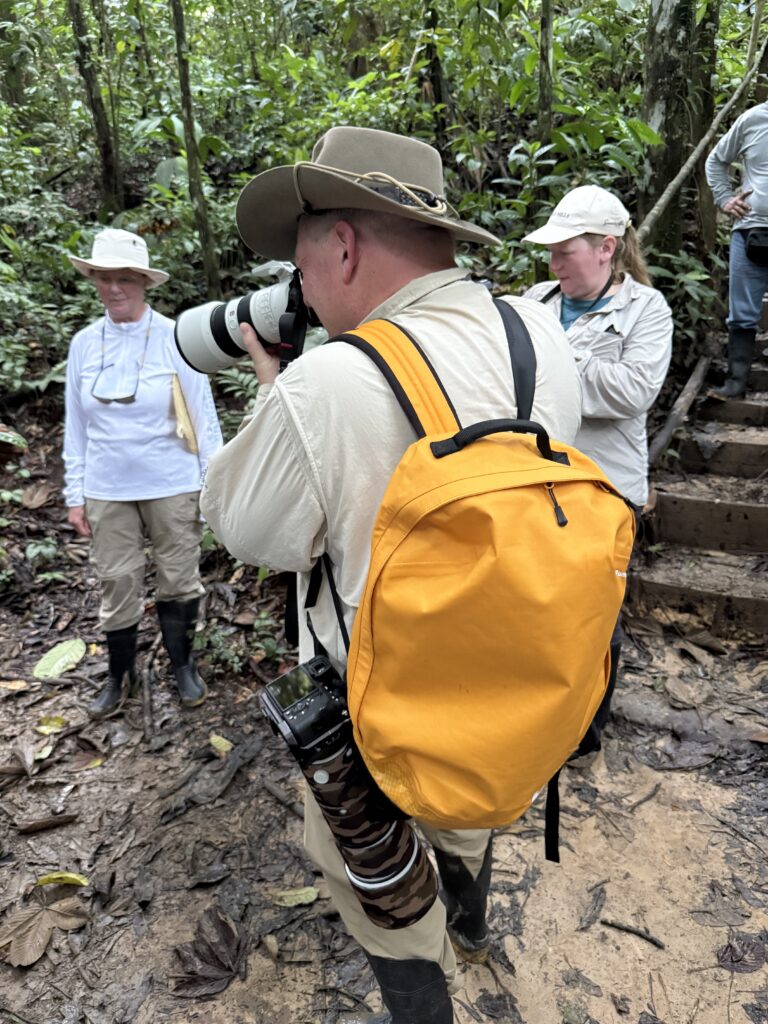
We would head out in smaller boats called skiffs, getting closer to the riverbanks and into areas where the rainforest seemed to close around us.
This was where having a camera ready really mattered.
A wildlife photographer has to anticipate rather than simply react.
You watch the guide.
You watch the trees.
You watch the water.
You listen for changes in the sounds around you.
And then, sometimes, everything comes together.
A bird lands in the open.
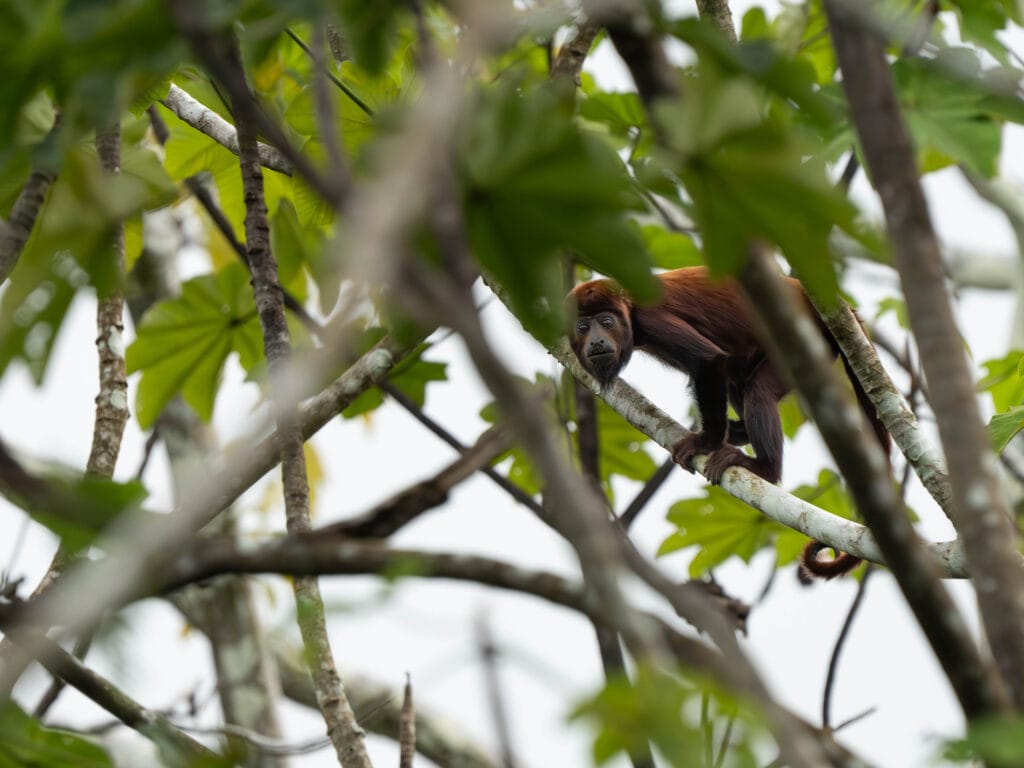
A monkey appears between the branches.
A creature emerges from the darkness.
You lift the camera, focus, compose and hope that the moment lasts just long enough.

The Importance of the Guides
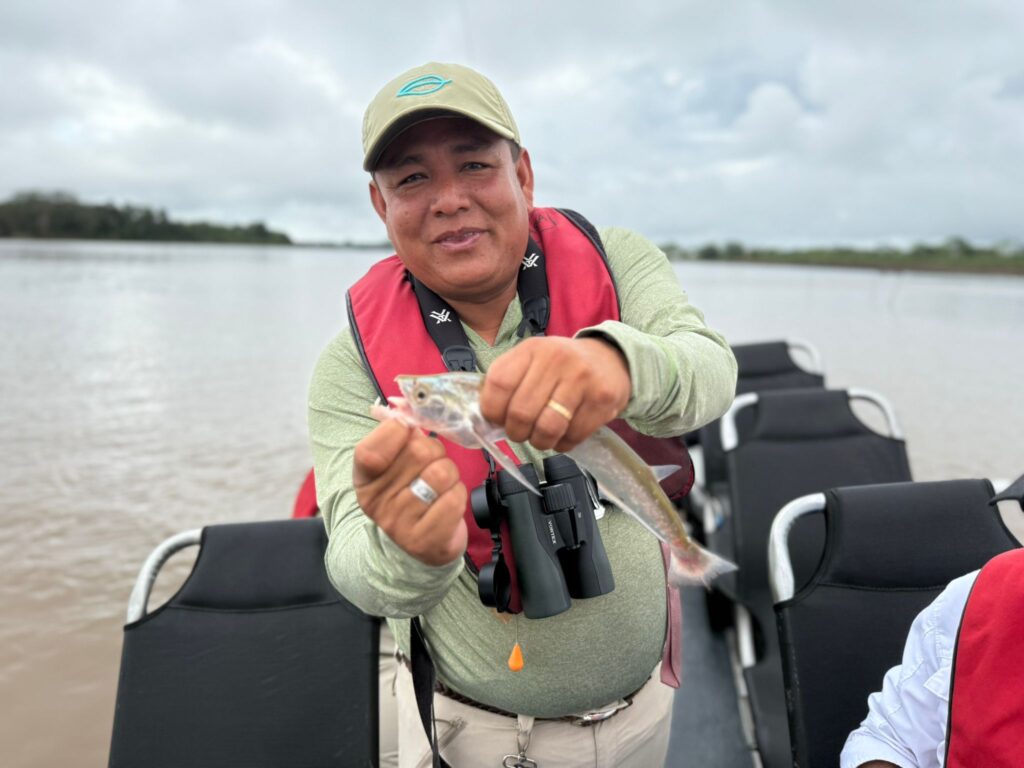
One of the things that became increasingly obvious was just how difficult it would have been to find much of the wildlife without the knowledge of the local guides and naturalists.
The Amazon can look impenetrable.
To an untrained eye, one stretch of forest can look very much like another.
But someone who knows the environment notices the clues.
A sound.
A movement.
A particular tree.
A disturbance in the water.
A bird call.
That knowledge can make the difference between travelling past an animal completely unaware of its presence and suddenly finding yourself with a camera pointed directly at it.
For a wildlife photographer, those moments are priceless.
Photographing the Unexpected
One of the great pleasures of travelling through the Amazon was that the wildlife was never entirely predictable.
The itinerary provided wonderful opportunities, but nature decided what actually happened.
Uniworld’s programme included wildlife exploration, jungle walks, bird watching, skiff trips and evening excursions. There were also opportunities to explore by canoe, kayak and on foot.
For me, each excursion became a photographic expedition.
I wasn’t simply looking for the biggest or most spectacular animal.
I was looking for photographs that told a story.
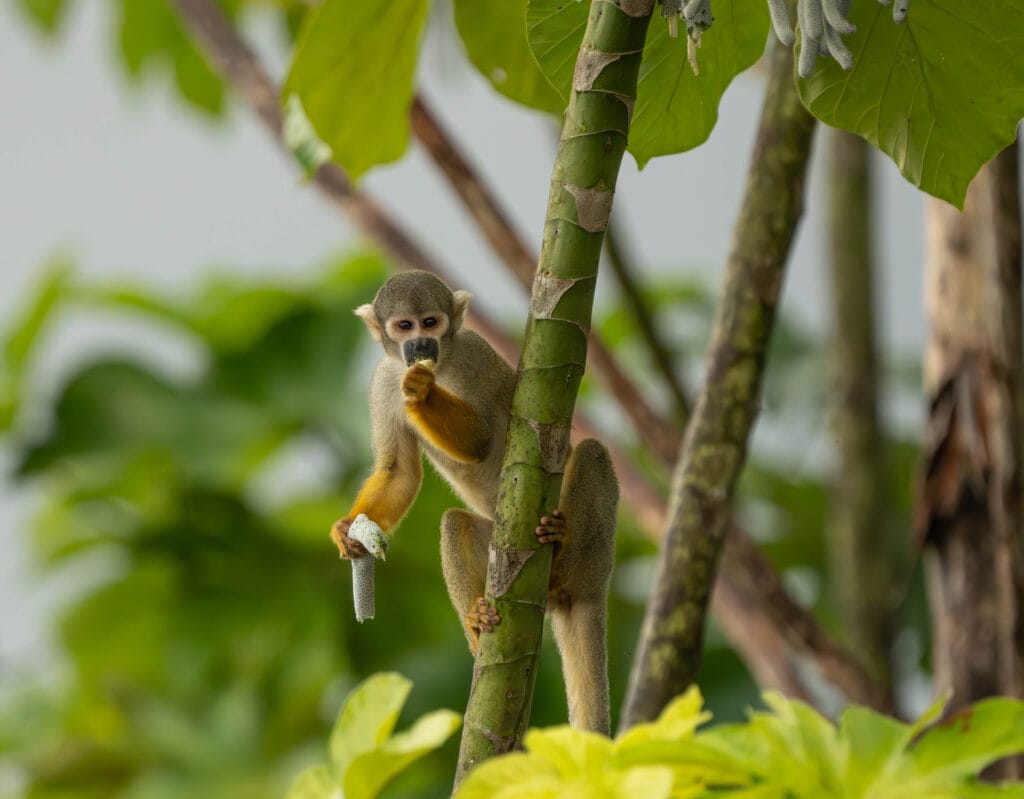
A bird surrounded by foliage.
A reflection on the dark water.
An animal partly hidden by leaves.
The texture of the rainforest.
A fleeting expression.
A moment of stillness.
These are the photographs that help create the feeling of a place rather than simply recording that you were there.
.
The Darkness of the Amazon
Some of the most exciting photography happened before the sun rose or after it began to disappear.
The Amazon changes after dark.
The familiar landscape becomes something different. Sounds become more important. The beam of a torch picks out fragments of the forest, while the river becomes a dark ribbon beneath the boat.
The Uniworld itinerary included an opportunity to explore for nocturnal wildlife, including excursions on the Yarapa River and the Amazon.
Photographing in those conditions brings a completely different set of challenges.
Low light.
Moving boats.
Unpredictable subjects.
And very little time to react.
But when it works, the resulting photographs can have a completely different atmosphere from those taken during the day.
They feel secretive.
Almost as though you have been allowed to see something that wasn’t meant to be seen.
And that is exactly where the title The Hidden Amazon came from.
More than Wildlife
Although the calendar is about wildlife, the trip wasn’t only about animals.
There were people, villages, rivers, forests and the ever-changing landscape of the Amazon.
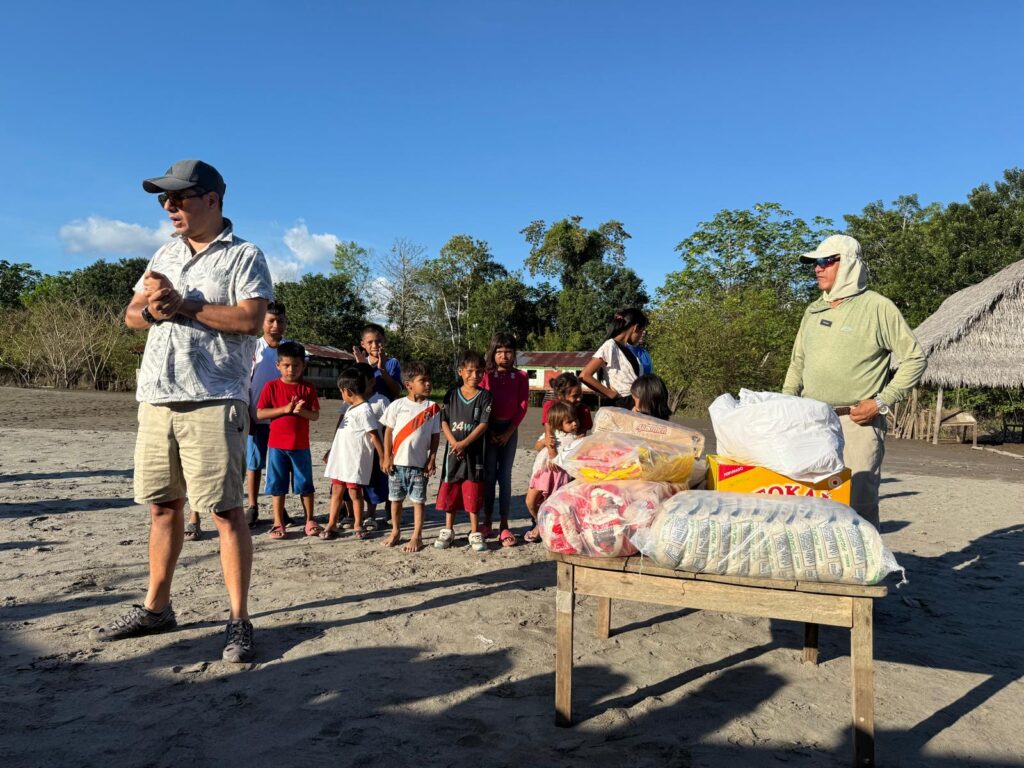
On one of the days, we visited a local village and explored we had the chance to buy locally produced gifts before continuing towards the area associated with the birthplace of the Amazon. .
These experiences added another dimension to the photographs.
The Amazon isn’t an empty wilderness.
It is a living environment and a place where communities have lived alongside the rivers and forest for generations.
That was something I wanted the project to acknowledge.
A Hidden World
The Amazon is often described as one of the most biodiverse places on Earth.
But statistics don’t really convey what it feels like to be there.
For me, photography was a way of slowing down and trying to capture a tiny piece of that experience.
The animals in this calendar are not studio subjects. They don’t pose. They don’t wait for the perfect light. They don’t care whether I’ve got the right shutter speed.
They simply go about their lives.
My job was to be there, watch carefully and be ready.
Sometimes I was lucky.
Sometimes I was patient.
And sometimes, wonderfully, I was both.
That is the story behind the calendar.
Twelve photographs. Ten days in the Amazon. Countless moments that could so easily have remained hidden.
Welcome to The Hidden Amazon – Wildlife of Peru.

Thank-you to Southport Cruise and Travel Village and Uniworld in the UK for partnering with me to bring you this calendar.
This was truly a life changing experience for me and one which you are also able to experience.
Order a 2027 calendar