
Best Camera for Wildlife Photography
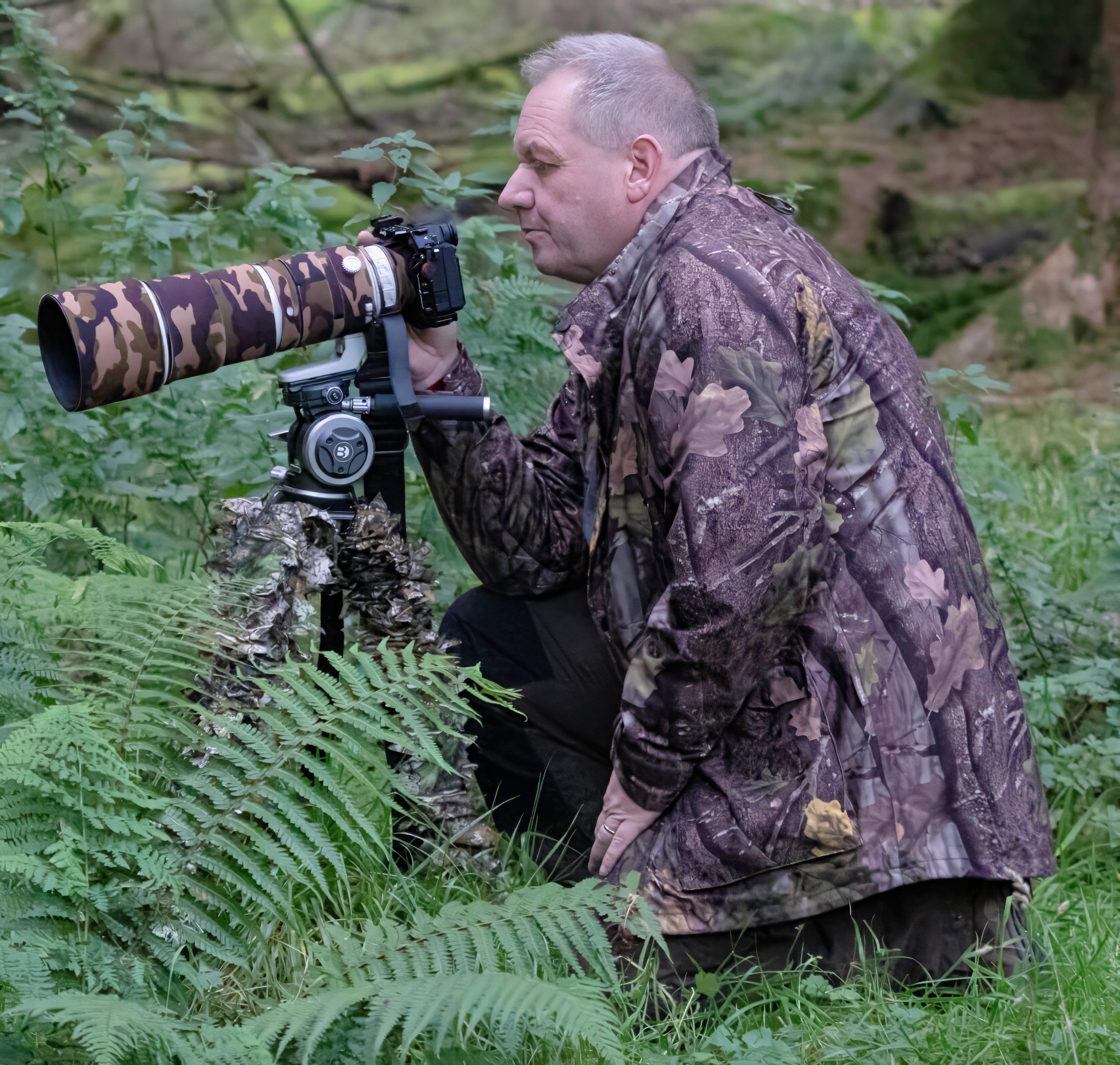
Wildlife photography in the UK is a pursuit that rewards patience, fieldcraft and dependable gear. Whether you are stalking red squirrels in North Yorkshire, photographing puffins on coastal cliffs, or capturing birds in flight on a nature reserve, the camera you choose significantly affects your results. As we move through 2026, the camera market offers more choice than ever, particularly in the mirrorless segment. This guide outlines the strongest candidates for wildlife work, drawing on expert recommendations and real-world experience to help you find a camera that suits your budget and shooting style and would be the best camera for wildlife photography for you.
Key Factors in Choosing a Wildlife Camera
Wildlife photography demands a blend of fast autofocus, high frame rates, good low-light performance and robust build quality. Resolution matters for cropping distant subjects, but speed and tracking are often more critical. Importantly, the lens is at least as important as the camera body. For UK wildlife, a zoom covering 300‑400mm with the widest maximum aperture you can afford is a solid starting point. Many modern cameras are capable of excellent results; the key is matching the body to your typical subjects and working conditions.
Autofocus and Burst Rate
Birds in flight and fast-moving mammals require a camera that locks onto subjects quickly and keeps tracking them. The Sony a9 III is noted for having probably the best autofocus on the market, with fast and accurate subject detection that can automatically identify different animals. The Canon EOS R10 offers a 23 frames per second burst rate and top-tier tracking, making it a strong contender for action shots. For photographers who need both high resolution and high speed, the Nikon Z8 and Canon EOS R5 Mark II come highly recommended within the same high-performance class.
Sensor Size and Resolution
Full‑frame sensors provide excellent low-light performance and dynamic range, while APS‑C sensors give extra reach from telephoto lenses, a useful advantage for small or distant subjects. The Sony A7R V delivers high resolution for detailed crops, and the Canon EOS R7 is widely regarded as one of the best EOS R wildlife cameras for beginners and enthusiasts, sitting at the top of the APS‑C mirrorless range. If you prefer a full‑frame entry point, the Canon EOS R6 Mark III represents Canon’s best entry-level full-frame mirrorless option for wildlife at a more accessible price.
Mirrorless Versus DSLR
Mirrorless cameras have become the dominant choice for wildlife photography. They offer silent shooting, electronic viewfinders that show exposure in real time, and smaller, lighter bodies. The Canon R6, for example, is mirrorless and allows a silent mode that does not disturb wildlife. DSLRs remain capable, but most new development is in mirrorless systems, and the lens ecosystems for Canon RF, Nikon Z and Sony E are extensive. The Nikon D500 is still a capable DSLR, but mirrorless cameras now lead in autofocus speed and video capability.
Best High‑End Cameras for Wildlife in 2026
For photographers who can invest in a flagship body, the current market offers several exceptional choices. The Sony A1 (or its successor the A1 II) is widely described as one of the most capable mirrorless cameras ever made, and for wildlife photography it sets the benchmark. It combines high resolution, rapid burst rates and reliable autofocus. The Nikon Z8 and Canon EOS R5 Mark II are similarly recommended for their balance of speed and resolution. However, note that Canon currently forces photographers to choose between high resolution (the R5 Mark II) and a high frame rate (the Canon EOS R1 or R3), so consider which aspect matters more for your typical subjects.
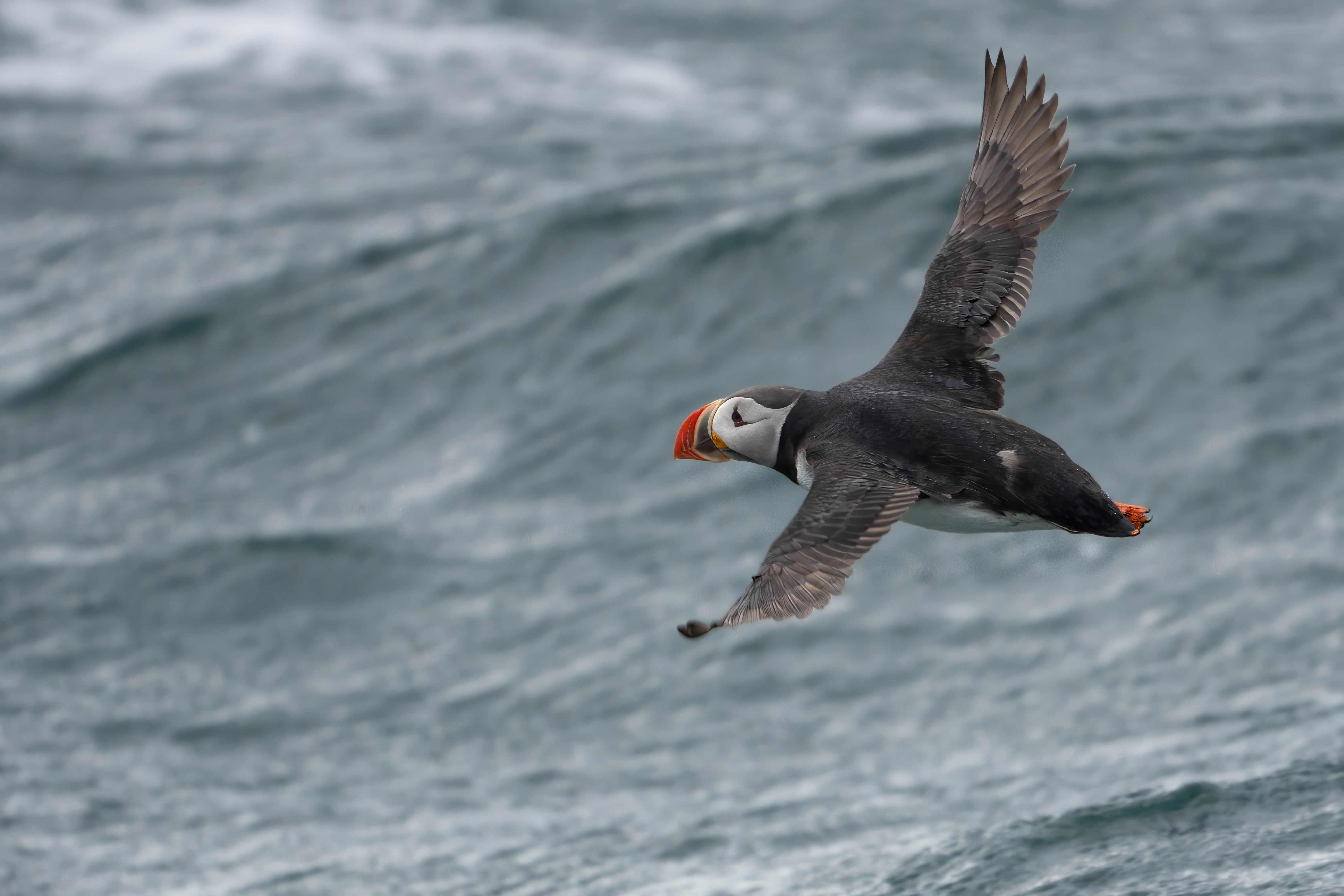
Mid‑Range and Entry‑Level Options
Not every wildlife photographer needs a flagship body. The Canon EOS R8, launched in 2023, remains a compelling choice for those seeking a balance of performance, portability and price. It is well suited to budget‑conscious shooters who still want full‑frame image quality. The Canon EOS R6 Mark III is considered the best entry-level full-frame mirrorless camera for wildlife photography for people looking around the price range of the Canon R6 series. For beginners, the Canon EOS R10 is the best bet for speed and autofocus, particularly with its 23 fps burst rate and strong tracking. The Canon EOS R7, an APS‑C model, also offers excellent value and is one of the best EOS R wildlife cameras for those starting out.
APS‑C Cameras: Extra Reach on a Budget
APS‑C sensors provide a crop factor that effectively extends the reach of any telephoto lens. This is especially beneficial for bird photography, where subjects are often small and distant. The Canon EOS R7 is at the top of the APS‑C mirrorless range and is one of the best EOS R wildlife cameras available for beginners and enthusiasts. For low‑light shooting, photographers may prefer a full‑frame body, but the R7’s combination of resolution, speed and price makes it a popular choice among UK wildlife photographers. The Nikon Z50 and Sony A6700 are also strong contenders, though specific details on those models are limited in the available guidance.
Understanding the Lens Priority
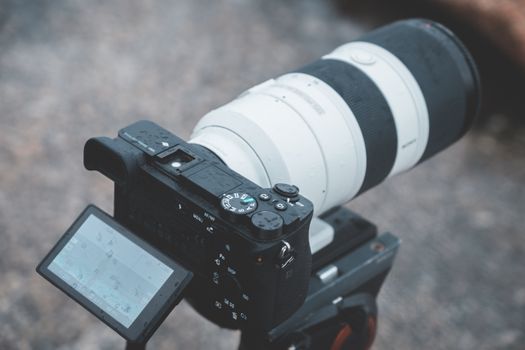
Experienced wildlife photographers often say that the lens matters more than the camera body. Any modern Canon camera is capable of fantastic wildlife photos; the recommendation is to invest in a zoom that covers 300‑400mm with the widest maximum aperture you can afford. Many photographers use a Sigma 150‑600mm lens on a Canon R6 body, finding the combination effective for a wide range of subjects. When building a kit, allocate a larger portion of the budget to the lens, and choose a camera body that delivers the autofocus and frame rate you need without overspending on features you will rarely use.
Practical Considerations for UK Wildlife Photographers
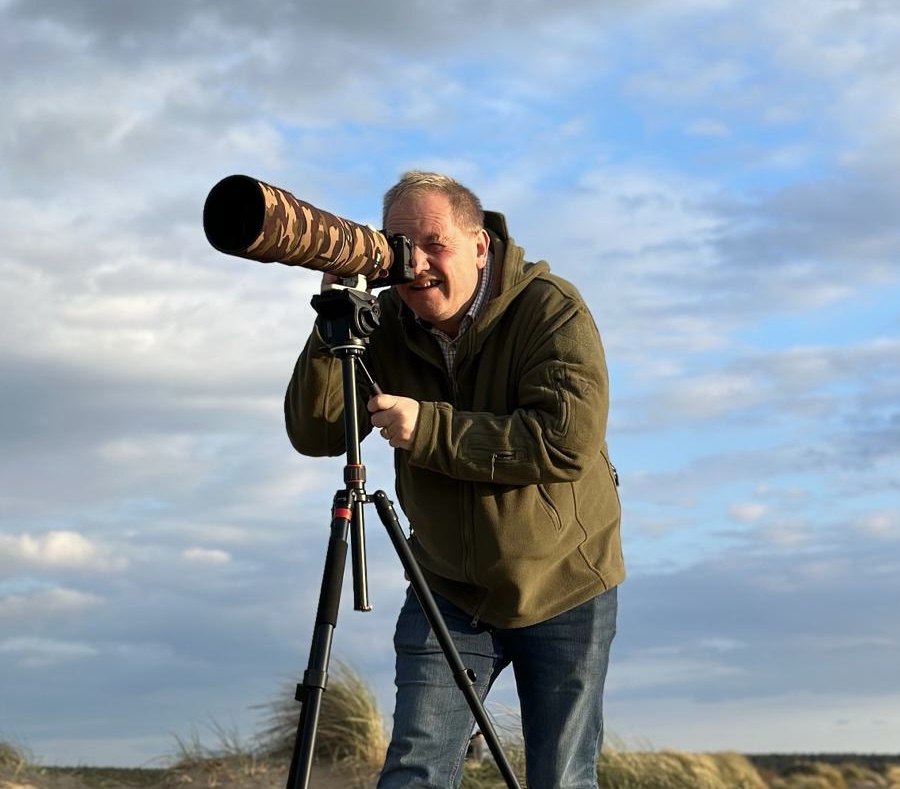
The British climate and terrain place specific demands on camera gear. Weather sealing is important for coastal and upland photography, where rain and salt spray are common. Battery life is another factor; mirrorless cameras consume power more quickly than DSLRs, so carrying spare batteries is wise. Lightweight bodies and lenses are easier to carry on long walks to hides or cliff tops. Many photographers also appreciate silent shutter modes for not disturbing sensitive subjects such as nesting birds or shy mammals. The Canon R6, for instance, is chosen by some wildlife photographers precisely because its mirrorless design enables silent shooting.
Frequently Asked Questions
Which camera do most professional wildlife photographers use?
There is no single standard, but many professionals use high‑end mirrorless bodies from Canon, Nikon and Sony. The Sony A1 and Canon EOS R3 are popular for their speed and reliability. The choice often depends on the photographer’s preferred lens system and personal ergonomics. The Nikon Z8 is also widely used among professionals who value a balance of resolution and frame rate.
What is the best wildlife camera for a beginner?
For beginners, the Canon EOS R10 offers a 23 fps burst rate and excellent autofocus tracking at a relatively affordable price. The Canon EOS R7 is another strong option, providing APS‑C reach and good build quality. Both cameras are part of the EOS R system, giving access to a growing range of lenses suitable for wildlife.
Is Canon or Nikon better for wildlife photography?
Both brands produce excellent wildlife cameras. Canon offers a wide range of bodies from entry‑level to flagship, with strong autofocus and a broad lens catalogue. Nikon’s Z system, including the Z8, is also highly capable. The best choice depends on lens availability, budget and personal handling preferences. Most wildlife subjects can be captured with either system.
Is mirrorless better than DSLR for wildlife?
Mirrorless cameras have become the prevailing choice for wildlife due to faster autofocus, silent shooting and smaller size. They provide real‑time exposure preview in the viewfinder and often offer subject‑tracking modes that DSLRs cannot match. DSLRs still work well, especially older models like the Nikon D500, but mirrorless systems currently lead in innovation for wildlife photography.
Selecting the best camera for wildlife photography in 2026 involves weighing resolution, speed, autofocus accuracy and budget. The Nikon Z8, Canon EOS R5 Mark II and Sony A1 represent the high end, while the Canon EOS R6 Mark III, R8 and R7 offer excellent value for enthusiasts and beginners. Whichever body you choose, pairing it with a quality telephoto zoom will do more to improve your wildlife images than any other single factor. The UK’s diverse wildlife – from red squirrels to seabirds – rewards careful gear choices, and the current generation of mirrorless cameras puts world‑class performance within reach of more photographers than ever. For me the pairing of the Sony A1 coupled with the 200mm to 600mm G lens is a hard to beat combination and has delivered some fantastic results.